Professional Pickering General Contractor Delivering Quality Craftsmanship
Trusted General Contractor: Building Dreams Into Reality
A reliable general contractor plays a pivotal role in turning architectural visions into physical structures. By managing timelines and budgets, they ensure projects progress effectively. Their expertise creates a collaborative environment, critical for minimizing risks. Nevertheless, not all contractors are the same. Understanding how to select the right one is essential for any successful project. What essential qualities should one find, and how can they influence the overall outcome?
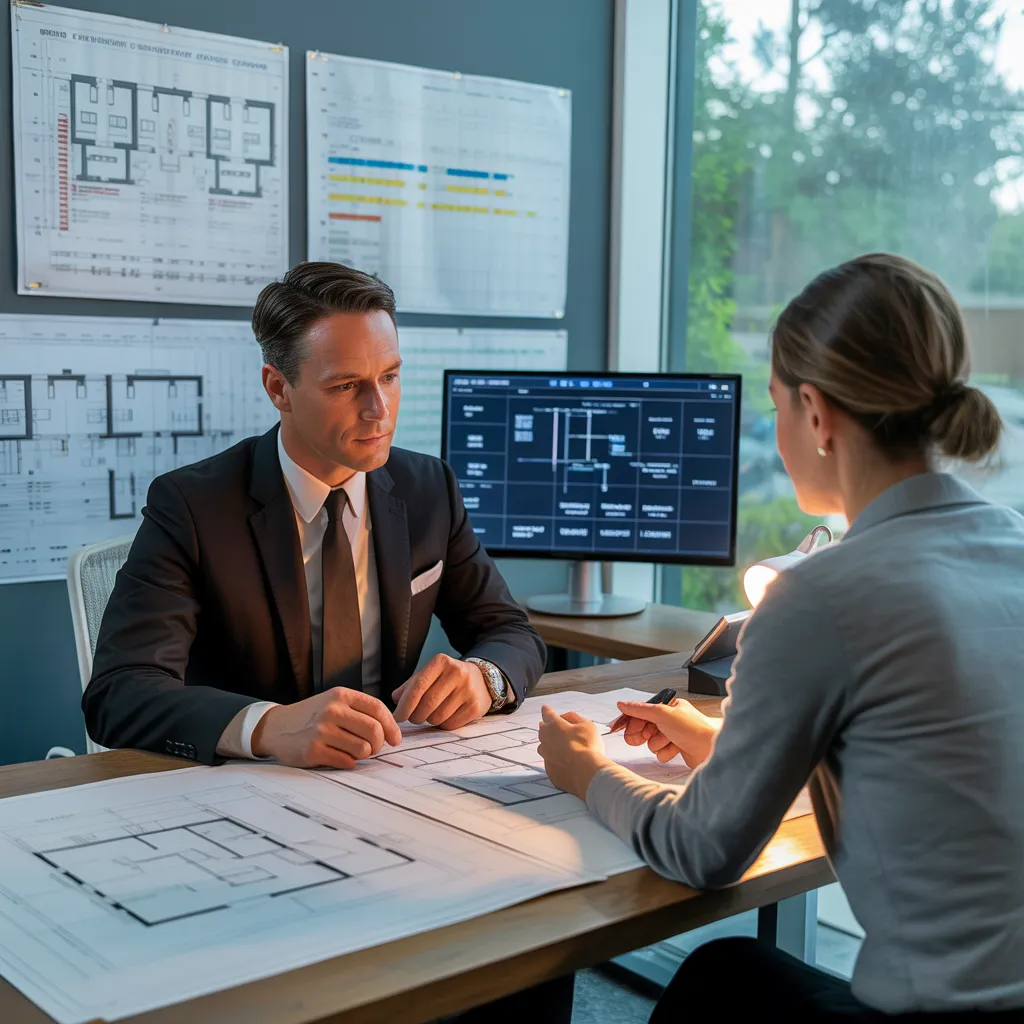
How to Spot a Reliable General Contractor?
What method can someone apply to determine a general contractor's trustworthiness? Assessing a contractor's reputation proves to be essential. An effective technique involves obtaining suggestions from friends, family, or online reviews, which provide information regarding previous work and patron contentment. Also, checking proper licensing and insurance guarantees that the contractor follows professional norms and safeguards against foreseeable issues. Reviewing previous work, by reviewing work samples or on-site inspections, helps you to evaluate the quality of their craftsmanship.
Furthermore, gathering various estimates supports assessment of pricing and construction schedules, bringing to light any inconsistencies that may demonstrate untrustworthiness. Effective correspondence is also crucial factor; a dependable service provider should be responsive and clear in their dealings. Finally, reviewing references can furnish beneficial insights about a service provider's work ethic and reliability. By following these approaches, one can reach sound determinations when selecting a construction contractor for building undertakings.
Fundamental Capabilities of a Skilled General Contractor
A superior general contractor possesses essential qualities that validate project success. Strong interpersonal skills enable transparent interactions with clients, construction partners, and suppliers, while extensive project management experience guarantees timely and budget-conscious delivery. These characteristics are crucial in transforming a vision into reality.
Strong Dialogue Abilities
While solid project management is essential for a general contractor, excellent communication proficiency often serve as the foundation for successful collaborations. These abilities enable a contractor to articulate project goals clearly, making certain that all team members relevant article and stakeholders are aligned. Effective communication fosters trust, enabling for transparent discussions regarding timelines, budgets, and changes. A good general contractor actively listens clients, subcontractors, and suppliers, addressing concerns promptly and responding to feedback. This two-way dialogue not only enhances problem-solving but also builds a positive working environment. Additionally, clear communication minimizes misunderstandings, which can lead to costly delays or errors. Ultimately, strong communication skills empower a general contractor to navigate challenges efficiently, ensuring that projects progress smoothly from inception to completion.
Verified Project Management Competence
Exhibiting verified project management experience is crucial for any general contractor striving toward success. Effective project management includes careful planning, resource allocation, and timeline adherence. A seasoned contractor demonstrates the ability to coordinate various teams, ensuring architects, engineers, and subcontractors work together effectively. Moreover, they expertly navigate challenges, utilizing problem-solving skills to keep projects on track and within budget. Their experience enables them to anticipate potential issues, minimizing risks before they grow. In addition, strong project management fosters transparency, allowing clients to stay informed during the construction process. By prioritizing quality control and adhering to safety standards, a general contractor with verified experience delivers outstanding results and builds long-lasting relationships grounded in trust and reliability.
The Benefits of Engaging a Trustworthy General Contractor
Engaging a dependable general contractor delivers major perks in any development project. Their skills and track record guarantee that tasks are completed to exceptional quality, while also enhancing time and cost efficiency. This combination permits homeowners and businesses to direct attention toward their objectives without the stress of project management.
Competence And Experience
Engaging a dependable general contractor provides a wealth of skill and experience to any construction project. Their extensive knowledge of building codes, regulations, and industry standards assures that every aspect of the construction process is aligned and efficient. Seasoned contractors have developed their skills through numerous projects, allowing them to predict potential challenges and formulate effective solutions. Their established relationships with subcontractors and suppliers further boost the quality of work and materials used. Additionally, a competent general contractor has strong project management skills, managing timelines, budgets, and resources seamlessly. This expertise not only reduces risks but also fosters a collaborative environment, converting a client’s vision into a tangible reality while upholding high standards throughout the construction journey.
Time and Cost Performance
A trusted general contractor significantly improves the efficiency of both time and cost in construction projects. They coordinate different subcontractors and suppliers to optimize workflows, reduce delays, and make sure tasks are finished on time. Because of strong industry relationships, they often secure better pricing on materials and labor, cutting down total project costs. Additionally, a skilled contractor proactively identifies potential issues, allowing for timely solutions that prevent costly setbacks. With their project management expertise, they ensure effective resource allocation so that labor and materials are utilized efficiently. In the end, employing a trustworthy general contractor speeds up project timelines while protecting the budget, giving clients peace of mind and assurance in their investment.
Optimizing Your Project With a Contractor
Effective project management often copyrights on the proficiency of a general contractor. By serving as the central figure in the construction project, a general contractor orchestrates various aspects of the project, maintaining seamless communication among subcontractors, suppliers, and clients. This cohesive approach decreases delays and lowers the likelihood of miscommunication, which can lead to costly errors.
A main contractor streamlines the workflow by setting up clear timelines and schedules, permitting all parties to stay synchronized with project milestones. They also demonstrate the understanding to anticipate challenges, supporting forward-thinking conflict resolution. Moreover, they manage permits and inspections, alleviating the responsibility on clients and confirming compliance with local requirements.
Ultimately, the participation of a skilled general contractor transforms intricate undertakings into controllable responsibilities, allowing homeowners and developers to concentrate on their vision while experiencing peace of mind throughout the construction process. This collaboration fosters a more streamlined and successful project outcome.
Top 5 Blunders to Dodge When Engaging a Contractor
How can homeowners ensure they select the right contractor for their project? Avoiding common pitfalls is vital. First, homeowners should steer clear of choosing a contractor solely based on the lowest bid. Quality often comes at a price, and a low estimate may signal inadequate experience or hidden costs. Second, neglecting to check references can lead to selecting someone untrustworthy or unreliable. Third, neglecting to confirm licenses and insurance can expose homeowners to legal and financial liabilities. Fourth, not planning project timelines in detail may result in unexpected delays and frustrations. Ultimately, homeowners often overlook the importance of clear exchange. A contractor who doesn't listen to concerns or provide updates can create misunderstandings. By steering clear of these mistakes, homeowners can enhance their chances of selecting a contractor who will effectively bring their vision to life.
Critical Matters to Ask Before Committing To a Document?
What critical considerations should residents reflect on before signing a arrangement with a professional? At the outset, they should question the contractor's qualifications and liability coverage status. Sound credentials safeguard homeowners from potential exposure. Following this, obtaining references and studying past projects can furnish insight into the contractor's consistency and work quality. Homeowners should also explore timelines—grasping the projected start and completion dates is important for planning.
Additionally, specifying payment details is important; homeowners must grasp the deposit required and the sequence for subsequent payments. Further, homeowners should probe what will happen if unexpected issues arise during the project, embracing change orders and how they will be handled. To conclude, comprehending warranty clauses on both workmanship and components can provide mental ease. By addressing these questions, homeowners can arrive at sound conclusions and establish a solid foundation for their venture.
Establishing a Solid Association With Your General Contractor
Creating a meaningful connection with a general contractor can substantially boost the overall satisfaction of a home construction or renovation project. Strong dialogue is the bedrock of this relationship, fostering honesty and clarity. Homeowners should prioritize open dialogue, addressing goals, timelines, and budget constraints early in the process.
Frequent communications and updates can help address issues without delay, confirming that both parties remain in sync throughout the project. Additionally, expressing appreciation for the contractor's expertise can develop mutual respect and promote a collaborative atmosphere.
Showing flexibility is also vital; recognizing that obstacles may occur can pave the way for problem-solving and adjustment. A good rapport can result in better quality work, as contractors are more likely to dedicate additional time when they feel valued. In the end, a enduring relationship with a general contractor not only contributes to a successful project but can also generate opportunities for upcoming projects.
Frequently Posed Questions Section
How Do General Contractors Deal With Unforeseen Project Changes?
General contractors oversee unforeseen modifications by assessing circumstances, communicating with stakeholders, adjusting timelines and budgets, and deploying corrective measures. Adaptability and analytical abilities are vital in keeping projects progressing smoothly despite unforeseen challenges.
What Ranges of Projects Do General Contractors Typically Administer?
General contractors typically oversee a range of undertakings, including residential renovations, business building projects, infrastructure development, and specialized installations. Their skills includes coordination, budgeting, and scheduling, ensuring successful completion throughout varied building categories and complexities.
How Can Payment Schedules Work in Coordination With a Contractor?
Payment schedules with a general contractor normally include upfront deposits, then followed by progress payments attached to project milestones. Final payments are completed upon project completion, maintaining both parties remain in sync on financial commitments throughout the construction process.
Can a main contractor Support With documentation and Regulations?
A general contractor can indeed assist with licensing requirements and legal compliance. They generally navigate local building codes, submit required paperwork, and ensure adherence to regulations, making things easier for property owners and preventing costly regulatory problems.
What takes place if the undertaking goes over the starting financial allocation?
If a project exceeds the preset budget, the firm typically communicates the grounds for the increase. They may offer adjustments, seek patron approval, and assess cost-saving choices to keep the endeavor on track.